Gene Therapy: Types, Applications, Risks, and Future of Genetic Treatment
What is Gene Therapy?
Gene therapy is an advanced medical technique that involves modifying or replacing defective genes to treat or prevent diseases. It works by introducing a therapeutic gene into a patient’s cells to correct genetic treatment is rapidly transforming modern medicine by targeting the root cause of diseases rather than just managing symptoms.
History and Development of Gene Therapy
Early Research in Genetic Treatment
The concept of gene therapy emerged in the 1970s when scientists began understanding DNA and gene functions. Early experiments focused on theoretical models of replacing faulty genes.
First Successful Gene Therapy Trials
The first successful human gene therapy trial was conducted in 1990 to treat a rare immune disorder called ADA-SCID, marking a milestone in medical science.
Modern Advances in Gene Editing
Recent breakthroughs like CRISPR technology have revolutionised gene therapy-type approaches, making gene editing more precise, efficient and accessible.
Types of Gene Therapy
Somatic Gene Therapy
This involves modifying genes in non-reproductive cells. The changes affect only the patient and are not passed to future generations.
Germline Gene Therapy
Germline therapy targets reproductive cells (sperm or eggs), meaning changes can be inherited. This approach is controversial and largely restricted due to ethical concerns.
In Vivo Gene Therapy
Genes are delivered directly into the patient’s body using vectors.
Ex Vivo Gene Therapy
Cells are modified outside the body and then reintroduced into the patient.
Comparison Table- Somatic vs Germline Gene Therapy
| Feature | Somatic Gene Therapy | Germline Gene Therapy |
| Target Cells | Body cells | Reproductive cells |
| Heritability | Not inherited | Inherited |
| Ethical Concerns | Lower | High |
| Clinical Use | Widely studied | Mostly restricted |
How Gene Therapy Works
Role of Therapeutic Genes
A therapeutic gene replaces or repairs a faculty gene responsible for disease, restoring normal cellular function.
Gene Delivery Methods
- Viral Vectors: Modified viruses used to deliver genes safety
- Non-Viral Vectors: Liposomes or nanoparticles
- CRISPR Technology: Enables precise gene editing
Applications of Gene Therapy Medicine
Genetic Disorders
Gene therapy is used to treat inherited diseases like cystic fibrosis, hemophilia and muscular dystrophy.
Cancer Treatment
It helps modify immune cells to target and destroy cancer cells (e.g. CAR-T cell therapy).
Rare Diseases
Many rare diseases conditions now have potential cures through genetic treatment using gene therapy.
Risks and Ethical Concerns of Gene Therapy
Medical Risks
- Immune system reactions
- Unintended genetic mutations
- Limited long-term data
Ethical Concerns
- Use of germline therapy raises concerns about “designer babies”
- Accessibility and cost issues
- Long-term societal impact
Future of Gene Therapy
The future of gene therapy looks promising with ongoing research focused on improving safety, affordability and precision. Technologies like CRISPR are expected to expand its applications across multiple diseases.
Gene Therapy in Modern Medical Education
Understanding gene therapy is essential for medical students and professionals. You can explore in-depth concepts through structured medicine online lectures here:
https://www.diginerve.com/courses/postgrad/medicine-md-residency-neet-ss/
Gene Therapy vs DNA Fingerprinting
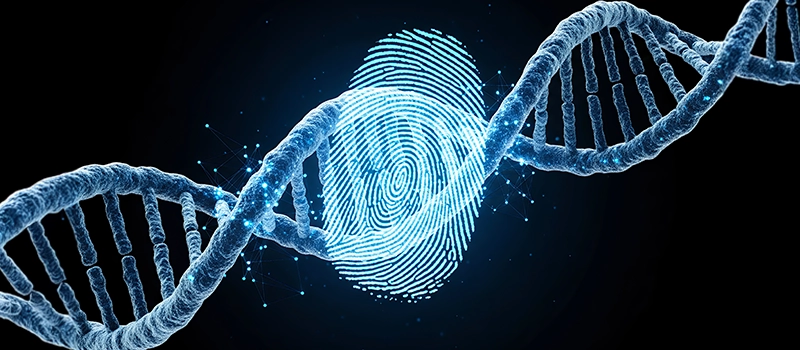
While gene therapy focuses on treating diseases by modifying genes, DNA fingerprinting is used for identification in forensic science.
Gene therapy represents a revolutionary step in modern medicine by addressing diseases at their genetic root. With multiple gene therapy types such as somatic and germline therapy, and expanding applications in cancer and rare diseases, this genetic treatment continues to evolve. While challenges remain, the future holds immense potential for transforming healthcare and improving patient outcomes.
Frequently Asked Questions:
- What diseases can gene therapy treat?
Ans – Gene therapy can treat genetic disorders, cancers, and certain rare diseases. - Is gene therapy safe?
Ans – It is generally safe but still under research due to potential risks. - What is the difference between somatic and germline therapy?
Ans – Somatic effects only affect the individual, while germline changes are inherited. - How does CRISPR help in gene therapy?
Ans – CRISPR allows precise editing of DNA sequences. - Is gene therapy widely available?
Ans – It is available for select conditions but is still developing. - What are the main risks of gene therapy?
Ans – Immune reactions and unintended mutations. - Can gene therapy cure genetic diseases permanently?
Ans – Some treatments show long-term or permanent results. - Why is germline therapy controversial?
Ans – Because it affects future generations and raises ethical concerns.