Osteoporosis Treatment: Complete Guide to Symptoms, Causes, Diagnosis & Prevention
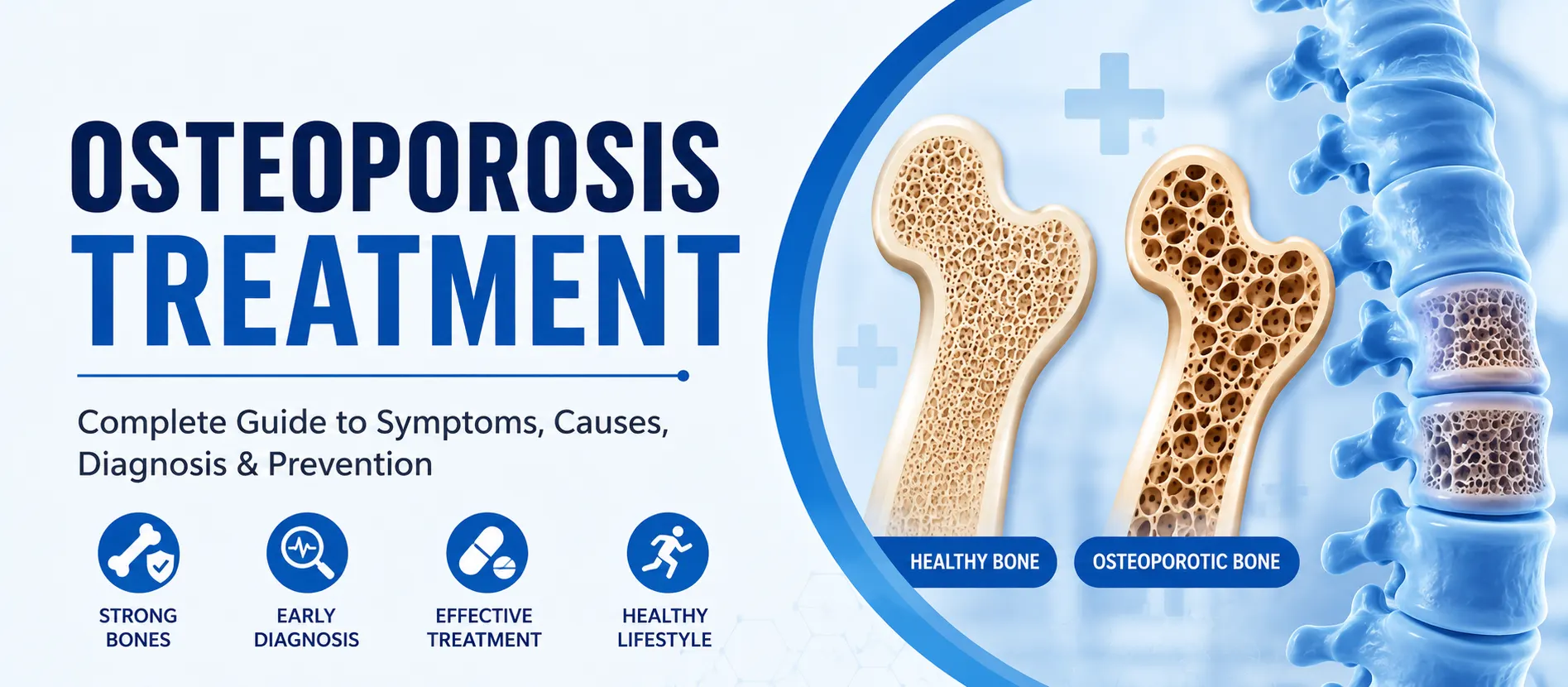
Osteoporosis is a common bone disease that makes bones weak, porous and more likely to break. It is often called a “silent disease” because many people do not know they have it until they suffer a fracture. Osteoporosis treatment focuses on improving bone health, preventing further bone loss and reducing the risk of fractures.
This guide explains what osteoporosis is, its causes, symptoms, diagnosis, medications, prevention tips and foods that help support stronger bones.
What is Osteoporosis?
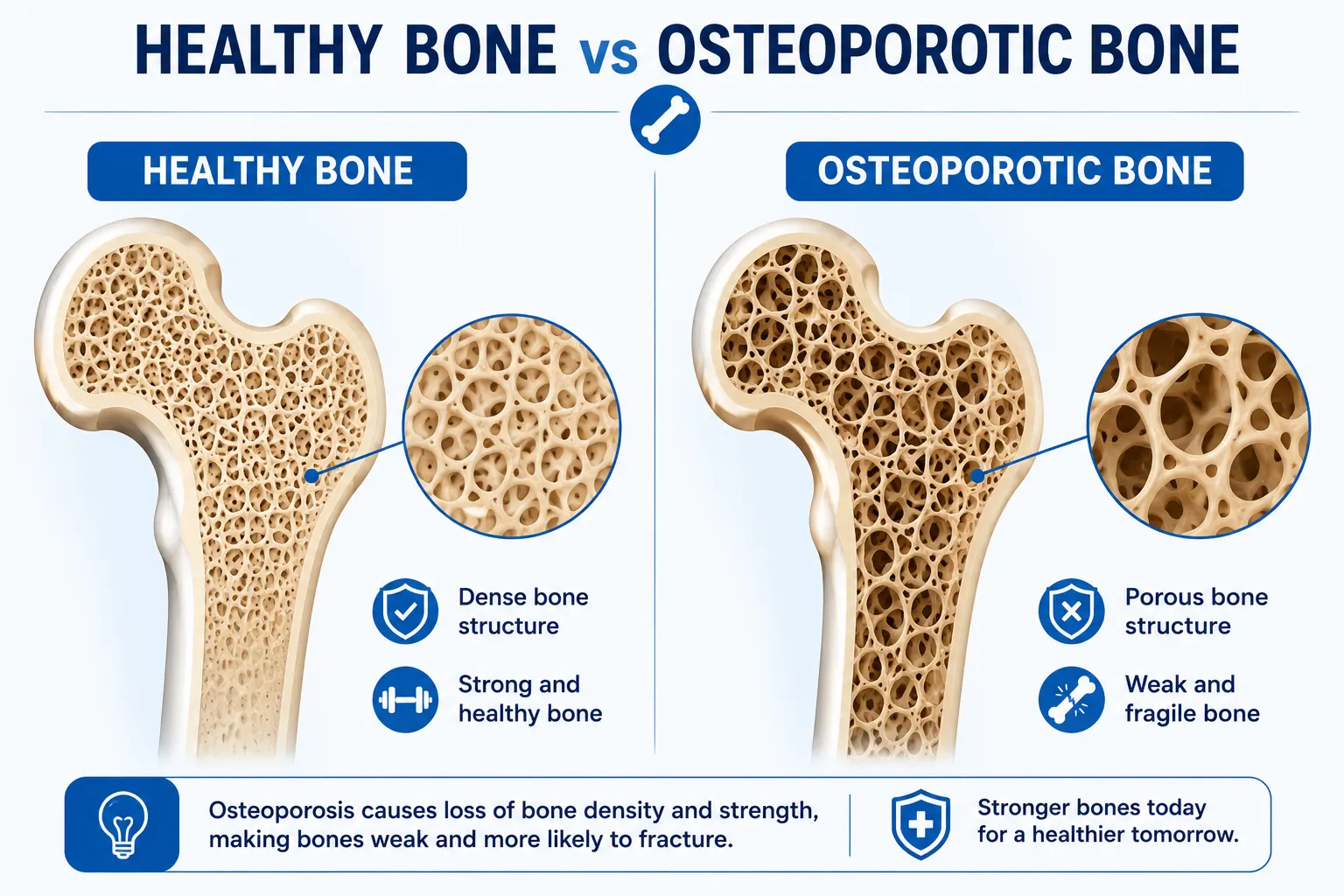
Osteoporosis is a condition in which bones lose density and strength. Healthy bones constantly undergo a process of breakdown and rebuilding. In younger people, bone formation usually keeps up with bone loss. With age or certain health conditions, bone loss may outpace bone formation, leading to low bone density and fragile bones.
In osteoporosis, even a minor fall, sudden movement, or small injury can cause a fracture. The spine, hip and wrist are commonly affected. According to the International Osteoporosis Foundation, osteoporosis can make bones so fragile that a fracture may occur after a minor fall or bump.
Types of Osteoporosis
The main types include:
- Primary osteoporosis: Usually related to ageing and postmenopausal hormonal changes.
- Secondary osteoporosis: Caused by medical conditions, long-term medication use or nutritional deficiencies.
- Postmenopausal osteoporosis: Common in women after menopause due to reduced estrogen levels.
Causes of Osteoporosis
Several factors can lead to osteoporosis or worsen bone loss.
- Ageing: Bone density naturally decreases with age.
- Hormonal changes: Reduced estrogen in women after menopause and low testosterone in men can weaken bones.
- Calcium deficiency: Calcium is essential for bone strength. Long-term low calcium intake can contribute to weak bones.
- Vitamin D deficiency: Vitamin D helps the body absorb calcium. Deficiency can increase the risk of low bone density.
- Lack of exercise: A sedentary lifestyle reduces bone and muscle strength.
- Smoking and alcohol: Smoking and excessive alcohol intake can reduce bone quality and increase fracture risk.
- Long-term steroid use: Corticosteroids can interfere with bone rebuilding and increase osteoporosis risk.
- Medical conditions: Thyroid disorders, rheumatoid arthritis, kidney disease, digestive disorders and certain hormonal problems can contribute to secondary osteoporosis.
Osteoporosis Symptoms
Osteoporosis may not show symptoms in the early stage. Many people discover it only after a fracture.
Early Symptoms
Early symptoms may be subtle or absent. Some people may notice:
- Mild back pain
- Reduced grip strength
- Gradual height loss
- Poor posture
Advanced Symptoms
As osteoporosis progresses, symptoms may include:
- Frequent fractures
- Severe back pain
- Stooped posture
- Loss of height
- Fractures after minor falls
- Difficulty standing or walking after hip or spine fractures
When to See a Doctor
Consult a doctor if you have persistent back pain, sudden height loss, a fracture after a minor injury, early menopause, long-term steroid use or a family history of osteoporosis.
Who is at Risk?
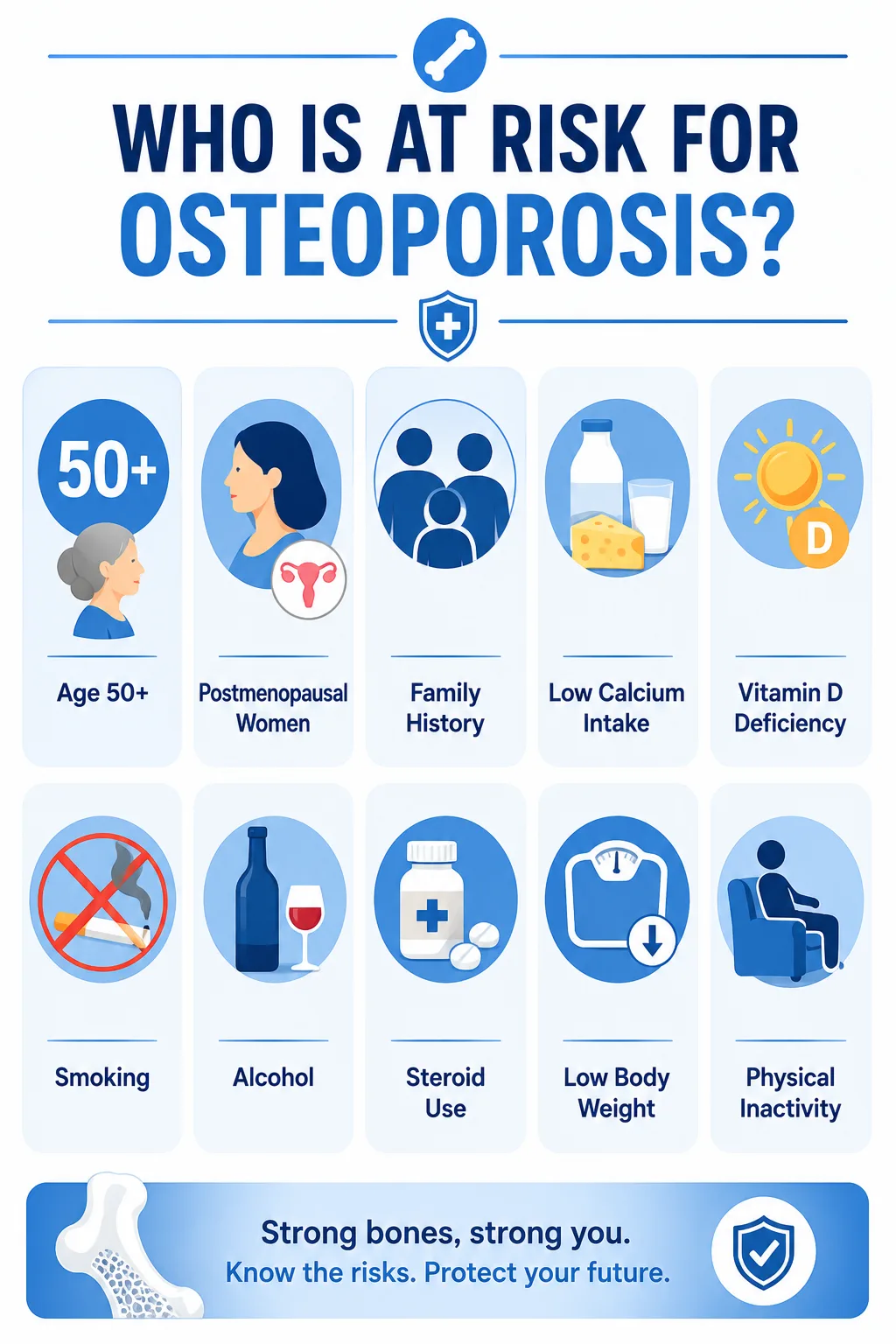
Osteoporosis risk factors include:
- Age above 50 years
- Female gender, especially after menopause
- Family history of osteoporosis
- Low body weight
- Poor calcium or vitamin D intake
- Smoking
- Excessive alcohol consumption
- Lack of physical activity
- Long-term steroid medication
- Previous fracture
- Certain chronic diseases
Although osteoporosis is more common in women, osteoporosis in men is also important and often underdiagnosed.
How is Osteoporosis Diagnosed?
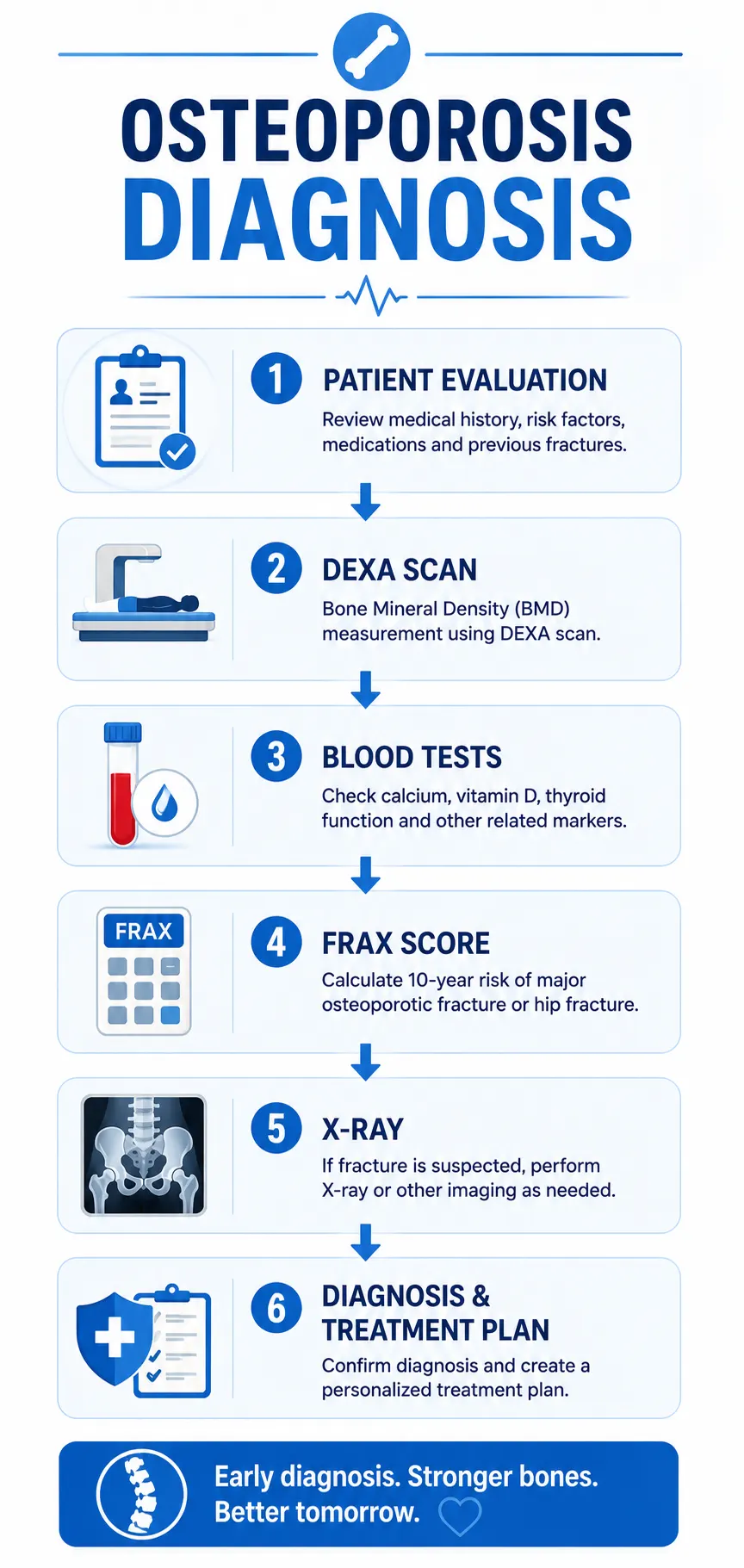
Osteoporosis diagnosis is based on medical history, risk assessment, physical examination and bone density testing.
DEXA Scan
A DEXA scan, also called a DXA scan, is the most common test for measuring bone mineral density. It is quick, painless and non-invasive. The National Institute of Arthritis and Musculoskeletal and Skin Diseases states that DXA is commonly used to diagnose osteoporosis, detect low bone density, predict fracture risk and monitor treatment response.
Blood Tests
Blood tests may be advised to check calcium, vitamin D, thyroid function, kidney function and other causes of secondary osteoporosis.
FRAX Score
FRAX is a fracture risk assessment tool used to estimate a person’s 10-year risk of major osteoporotic fracture or hip fracture. It helps doctors decide whether treatment is needed, especially in people with osteopenia or borderline bone density.
Imaging
X-rays may be used if a fracture is suspected. Spine imaging may be advised in cases of height loss, back pain or suspected vertebral fracture.
Osteoporosis Treatment
Osteoporosis treatment depends on age, bone density score, fracture risk, medical history and overall health. The goal is to prevent fractures, slow bone loss and improve bone strength.
Lifestyle Changes
Lifestyle correction is an essential part of osteoporosis management. This includes regular exercise, fall prevention, quitting smoking, reducing alcohol intake and eating a bone-friendly diet.
Calcium
Calcium supports bone structure. Dietary sources such as milk, curd, paneer, ragi, sesame seeds, green leafy vegetables and fortified foods can help improve calcium intake. Supplements may be prescribed if dietary intake is insufficient.
Vitamin D
Vitamin D helps calcium absorption. Sunlight exposure, fortified foods and supplements may be recommended, especially in people with vitamin D deficiency.
Exercise
Osteoporosis exercise should include weight-bearing and muscle-strengthening activities. Walking, stair climbing, resistance training and balance exercises can help improve bone and muscle strength. Exercise also reduces fall risk.
Osteoporosis Medications
Osteoporosis medications are prescribed when fracture risk is high or bone density is significantly low. Common options include:
Bisphosphonates: Often used as first-line medicines to reduce bone loss and fracture risk.
Denosumab: Helps reduce bone breakdown and may be used in selected patients.
Teriparatide or anabolic therapy: Helps stimulate new bone formation in severe osteoporosis.
Hormone-related therapy: May be considered in selected postmenopausal women after medical evaluation.
Medication choice should always be made by a qualified doctor based on individual risk, age, kidney function, fracture history and other health conditions.
Treatment by Age Group
Young Adults
Osteoporosis in younger adults is usually linked to secondary causes such as hormonal disorders, steroid use, eating disorders or chronic illness. Treatment focuses on identifying and correcting the underlying cause.
Middle-Aged Adults
In this group, prevention and early detection are important. Lifestyle correction, calcium, vitamin D, exercise and risk-based screening are commonly advised.
Older Adults
Older adults need fracture prevention, fall-risk reduction, DEXA monitoring and medicines when indicated. Hip and spine fracture prevention is especially important in this age group.
Postmenopausal Women
Postmenopausal osteoporosis is common due to estrogen decline. Treatment may include calcium, vitamin D, exercise, fall prevention and medications depending on bone density and fracture risk.
Osteoporosis Prevention
Osteoporosis prevention should begin early. Important steps include:
- Eat calcium-rich foods
- Maintain adequate vitamin D levels
- Do regular weight-bearing exercise
- Avoid smoking
- Limit alcohol
- Maintain healthy body weight
- Prevent falls at home
- Get bone density testing if at risk
- Treat vitamin D deficiency early
Osteoporosis Complications
The most serious complication of osteoporosis is fracture. Osteoporosis fractures commonly affect the hip, spine and wrist. Hip fractures may require surgery and can reduce mobility. Spine fractures can cause chronic pain, height loss and deformity. Repeated fractures may affect independence and quality of life.
Foods for Strong Bones
Bone strengthening foods include:
- Milk, curd, paneer and cheese
- Ragi and millets
- Sesame seeds
- Almonds
- Green leafy vegetables
- Soy products
- Eggs
- Fish
- Fortified cereals
- Pulses and beans
A balanced diet rich in calcium, protein, vitamin D, magnesium, and phosphorus supports better bone health.
Osteoporosis is a silent but serious condition that weakens bones and increases fracture risk. Early diagnosis through bone density tests, timely osteoporosis treatment, proper nutrition, exercise and fall prevention can help protect long-term bone health. People at risk, especially postmenopausal women, older adults and those with previous fractures or long-term steroid use, should consult a doctor for screening and personalised osteoporosis management.
For deeper orthopaedic learning, explore resources such as an Online Orthopaedics MS Course, Best Orthopaedic Books for Residents, and insights on Orthopaedic Surgeon Salary to strengthen clinical understanding and career planning.
Frequently Asked Questions:
Q1. What is the best treatment for osteoporosis?
Ans – The best treatment depends on bone density, fracture risk and health status. It may include calcium, vitamin D, exercise, fall prevention and osteoporosis medications such as bisphosphonates or other doctor-prescribed drugs.
Q2. Can osteoporosis be cured?
Ans – Osteoporosis cannot always be completely cured, but it can be managed effectively. Proper treatment can slow bone loss, improve bone strength and reduce fracture risk.
Q3. What are the first symptoms of osteoporosis?
Ans – Early osteoporosis may not cause symptoms. Some people may notice back pain, height loss, posture changes or fractures after minor injury.
Q4. Which foods improve bone strength?
Ans – Calcium-rich foods such as milk, curd, paneer, ragi, sesame seeds, leafy greens, soy products, eggs and fish can support bone strength.
Q5. Can exercise reverse osteoporosis?
Ans – Exercise may not completely reverse osteoporosis, but it can improve muscle strength, balance, posture and bone health. It also reduces fall risk.
Q6. Is osteoporosis common in men?
Ans – Yes. Osteoporosis in men is less commonly discussed but can occur due to aging, low testosterone, alcohol use, smoking, steroid use or chronic medical conditions.