Surgical Oncology After MS: Eligibility, NEET SS, INI SS& Career Scope
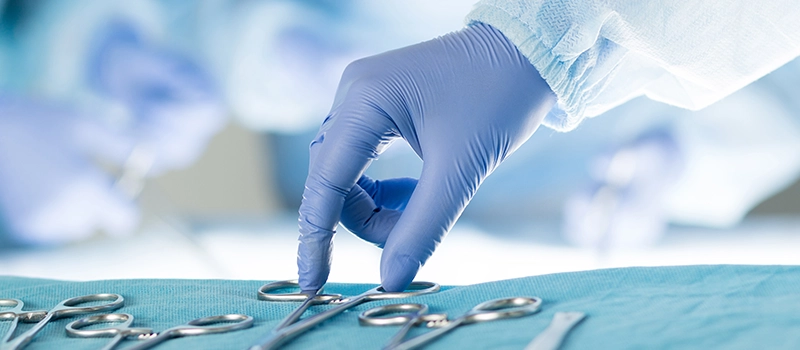
Surgical oncology is a super-speciality focused on the surgical management of cancer, involving tumour removal, biopsies, staging procedures, and reconstruction, often as part of a multidisciplinary cancer care approach.
It plays a critical role in cancer treatment alongside medical oncology and radiation oncology. Surgical oncologists are responsible for removing tumours, ensuring clear margins, and improving survival outcomes while maintaining quality of life. From early-stage cancers to complex, advanced malignancies, this field requires precision, decision-making, and coordination with other specialities.
Why Choose Surgical Oncology After MS?
Choosing surgical oncology after MS is both a strategic and meaningful career decision. Here’s why:
-
Rising Demand
Cancer incidence in India is steadily increasing, creating a strong demand for trained surgical oncologists. With early detection improving, more patients are eligible for curative surgeries.
-
High Growth Potential
The field is rapidly evolving with advancements in minimally invasive techniques, robotic surgeries, and onco-reconstruction.
-
Multidisciplinary Exposure
You will work closely with medical oncologists, radiologists, pathologists, and radiation specialists—making it intellectually stimulating.
-
Impactful Career
Few specialities offer the level of direct impact on patient survival and quality of life as oncology does.
Eligibility for Surgical Oncology
MS Surgery
To pursue oncology after MS surgery, the primary requirement is:
- Completion of an MS in General Surgery from a recognised institution
- Valid medical registration
- Strong academic foundation and clinical exposure
NEET SS & INI SS
Admission into MCh Surgical Oncology programs is primarily through:
- NEET SS (National Eligibility cum Entrance Test – Super Speciality)
- INI SS (Institute of National Importance Super Speciality Exam)
These exams test your in-depth understanding of surgical principles and clinical concepts.
NEET SS vs INI SS
Understanding the difference between NEET SS surgical oncology and INI SS surgical oncology pathways is crucial:
| Feature | NEET SS | INI SS |
| Conducting Body | NBE | AIIMS, PGIMER, JIPMER, etc. |
| Colleges Covered | Most private & government colleges | Institutes of National Importance |
| Exam Pattern | MCQs, speciality-based | Clinical + theory integration |
| Competition | High | Extremely high |
| Frequency | Once a year | Twice a year (usually) |
Key Insight:
NEET SS offers broader access, while INI SS provides entry into premier institutes with advanced training and exposure.
NEET SS Surgical Oncology Preparation
Preparing for NEET SS surgical oncology requires a focused and strategic approach:
-
Build Strong Basics
Revise general surgery concepts thoroughly—especially oncology-related topics like tumour biology, staging, and surgical techniques.
-
Focus on High-Yield Topics
- Breast cancer
- GI malignancies
- Head & neck cancers
- Hepatobiliary tumors
-
Practice MCQs & Clinical Scenarios
Regular practice improves speed and accuracy.
-
Use Structured Courses
A dedicated course can streamline your preparation.
-
Revise Repeatedly
Multiple revisions are key to retaining complex concepts.
MCh Surgical Oncology Course
The MCh Surgical Oncology program is the gateway to becoming a specialist.
Duration
- Typically, 3 years
Training Includes
- Hands-on surgical experience
- Exposure to various cancer types
- ICU and perioperative care
- Multidisciplinary tumor boards
Skills Developed
- Advanced surgical techniques
- Oncological decision-making
- Patient counselling
This phase is intensive and demands dedication, long hours, and continuous learning.
Career Scope
The surgical oncology career landscape in India is highly promising.
-
Hospital Practice
- Work in corporate hospitals, cancer institutes, or government setups
- High patient inflow ensures consistent clinical exposure
-
Private Practice
- With experience, you can establish an independent oncology practice
-
Academic Career
- Join medical colleges as faculty
- Engage in teaching and research
-
Research Opportunities
- Clinical trials
- Oncology innovation and drug development
-
Subspecialization
- Breast oncology
- GI oncology
- Thoracic oncology
- Gynecologic oncology
Salary
The earning potential in surgical oncology after MS varies based on experience and setup:
Entry-Level (0–3 years)
- ₹1.5–3 lakh/month
Mid-Level (4–10 years)
- ₹3–6 lakh/month
Senior-Level (10+ years)
- ₹6–15 lakh/month or more
Private practice and corporate hospital associations can significantly boost income.
Challenges
While rewarding, this field comes with its share of challenges:
-
Long Training Period
Becoming a surgical oncologist requires years of rigorous education and training.
-
Emotional Stress
Dealing with cancer patients and outcomes can be emotionally taxing.
-
High Responsibility
Surgical precision and decision-making directly impact patient survival.
-
Work-Life Balance
Long hours and emergency cases can affect personal time.
Skills Required
To excel in a surgical oncology career, you need:
Clinical Skills
- Strong surgical foundation
- Knowledge of oncology principles
Decision-Making Ability
- Choosing the right surgical approach
- Evaluating operability
Communication Skills
- Counselling patients and families
- Discussing prognosis and treatment options
Emotional Resilience
- Handling complex cases and outcomes
Teamwork
- Collaborating in multidisciplinary teams
Pursuing surgical oncology after MS is a challenging yet highly rewarding journey. With structured pathways through NEET SS surgical oncology and INI SS surgical oncology, aspiring surgeons can enter this dynamic field and make a meaningful impact on patients’ lives. From strong career prospects and financial stability to intellectual fulfilment, the surgical oncology career offers immense growth opportunities.
If you are passionate about surgery and committed to fighting cancer, this super-speciality could be the perfect path forward.
Frequently Asked Questions:
Q1. Can I pursue surgical oncology after MS surgery?
Ans – Yes, after completing an MS in General Surgery, you can apply for MCh Surgical Oncology through NEET SS or INI SS.
Q2. What is the duration of MCh Surgical Oncology?
Ans – The course typically lasts 3 years.
Q3. Which is better: NEET SS or INI SS?
Ans – Both have their advantages. NEET SS offers wider access, while INI SS provides training in top-tier institutes.
Q4. Is surgical oncology a good career in India?
Ans – Yes, due to rising cancer cases and increasing demand for specialists, it offers excellent career growth.
Q5. What is the salary of a surgical oncologist in India?
Ans – It ranges from ₹1.5 lakh/month at the entry level to ₹10+ lakh/month for experienced professionals.
Q6. Is surgical oncology stressful?
Ans – Yes, it can be emotionally and physically demanding due to the nature of cancer care.
Q7. What skills are most important for surgical oncologists?
Ans – Clinical expertise, decision-making, communication, and emotional resilience are essential.
Q8. Are there subspecialties in surgical oncology?
Ans – Yes, you can further specialise in areas like breast, GI, or thoracic oncology.