Basal Cell vs Squamous Cell Carcinoma: Types, Symptoms & White Spot Warning Signs
Skin cancer is the most common cancer worldwide, and among its types, basal cell carcinoma and squamous cell carcinoma are the most frequently diagnosed. Early recognition of symptoms like white spots on the skin, non-healing sores or scaly patches is important for effective treatment. In this guide, we compare BCC vs SCC and explain how to recognise early signs.
What Is Basal Cell Carcinoma (BCC)?

Basal cell carcinoma is a type of non-melanoma skin cancer that begins in the basal cells found at the bottom layer of the epidermis.
Causes and Risk Factors
- Prolonged exposure to UV radiation (sunlight or tanning beds)
- Fair skin, light-coloured eyes, or hair
- Family history of skin cancer
- Age over 50
- Immunosuppressive conditions
Common Symptoms
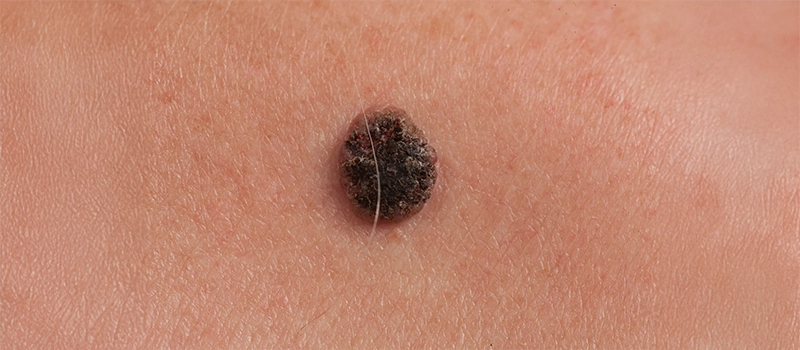
- Pearly or waxy bump on the face, ears or neck
- Flat, flesh-coloured or brown scar-like lesion
- A sore that bleeds, heals and recurs
- White patches or spots on the skin may appear in some cases
BCC vs Basal Cell Cancer – Is There a Difference?
No, basal cell cancer and basal cell carcinoma refer to the same condition. The terms are often used interchangeably with BCC skin cancer in clinical settings.
What Is Squamous Cell Carcinoma (SCC)?
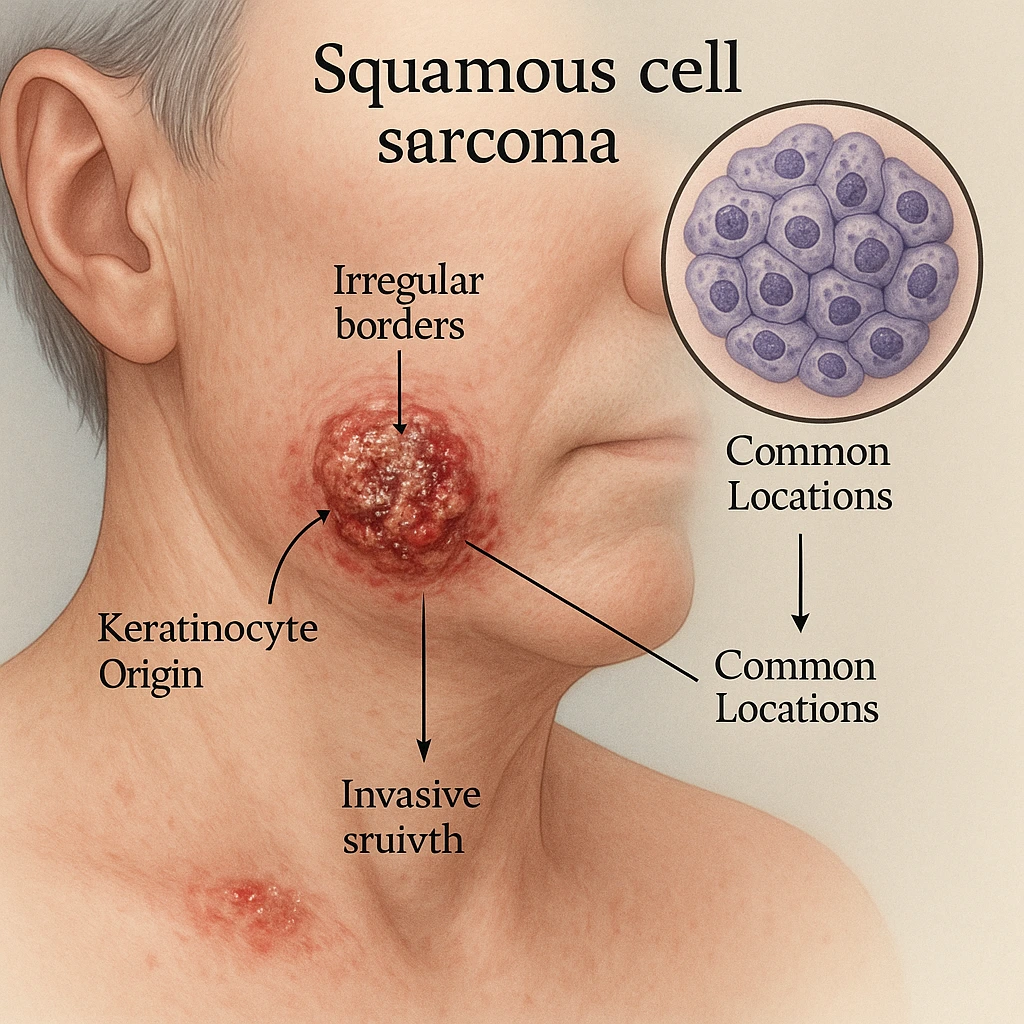
Squamous cell carcinoma is the second most common type of skin cancer. It develops in the squamous cells that make up the middle and outer layers of the skin.
How It Develops
SCC usually arises due to cumulative UV exposure over time. It can also develop on scars, chronic wounds or areas of inflammation.
Symptoms of Squamous Cell Carcinoma
- Rough, scaly red patches that may crust or bleed
- Open sores that don’t heal
- Wart-like growths
- Thickened skin or raised growth with a central depression
How It Differs from Basal Cell Carcinoma
| Feature | Basal Cell Carcinoma | Squamous Cell Carcinoma |
| Growth Speed | Slow | Faster |
| Metastasis Risk | Very rare | Higher risk |
| Appearance | Pearly bump | Scaly, crusted patch |
| Common Sites | Face, neck | Hands, arms, scalp, ears |
White Spots on Skin: Could It Be Cancer?
White spots are usually harmless, but in rare cases, they may indicate cancer white spots on the skin, especially if:
- They change in size or texture
- They are accompanied by bleeding or itching
- They don’t respond to regular treatment
Such signs should not be ignored. Persistent white patches or spots can sometimes be an early warning sign of BCC skin cancer or SCC.
Key Differences Between BCC and SCC
- Cell origin: BCC arises from basal cells, SCC from squamous cells
- Aggressiveness: SCC is more likely to invade deeper tissues or metastasise
- Visual signs: BCC may look shiny or pearly, SCC appears scaly or crusted
- Prevalence: BCC is more common but less dangerous
Diagnosis & When to See a Dermatologist
If you notice:
- Non-healing wounds
- Changes in a mole or skin lesion
- New growths or white spots
It’s time to consult a dermatologist. Diagnosis typically includes
- Skin examination
- Dermoscopy
- Skin biopsy
Early detection greatly increases the chances of successful treatment.
Treatment Options
Treatments depend on the size, location and depth of the tumour:
- Topical creams for superficial cases
- Cryotherapy
- Curettage and electrodesiccation
- Surgical excision
- Mohs surgery- especially for facial BCC or SCC
- Radiation surgery for complex cases
- Targeted therapy or immunotherapy in rare, advanced cases
Frequently Asked Questions:
Q1. What is the old name for basal cell carcinoma?
They develop mostly in areas of skin exposed to the sun, including parts of the face such as the nose, forehead and cheeks. Also, on your back or lower legs. They are most often diagnosed in people who are middle-aged or older.
Q2. What is the root cause of basal cell carcinoma?
Basal cell carcinoma (BCC) is primarily caused by long-term exposure to ultraviolet (UV) radiation from sunlight or tanning beds. This exposure damages the DNA within skin cells, leading to uncontrolled cell growth and the development of BCC.
Q3. What is the best treatment for basal cell carcinoma?
Basal cell carcinoma is most often treated with surgery to remove all of the cancer and some of the healthy tissue around it. Options might include Surgical excision. In this procedure, your doctor cuts out the cancerous lesion and a surrounding margin of healthy skin.
Q4. What is the last stage of basal cell carcinoma?
In stage 4, the cancer can be any size and has spread (metastasised) to one or more lymph nodes which are larger than 3 cm and may have spread to bones or other organs in the body.