Mumps Virus: Characteristics, Disease Mechanism, and Clinical Pathology
Mumps is a contagious viral illness primarily affecting children and adolescents, although unvaccinated adults remain at risk. Despite the availability of an effective vaccine, sporadic outbreaks continue, often highlighting the importance of early diagnosis and understanding of mumps virus behaviour. This article explores the mumps virus characteristics, pathogenesis, transmission, clinical features, and complications, especially in the pediatric age group.
https://www.jaypeedigital.com/eReader/chapter/9788184482492/ch1
Mumps Virus Characteristics
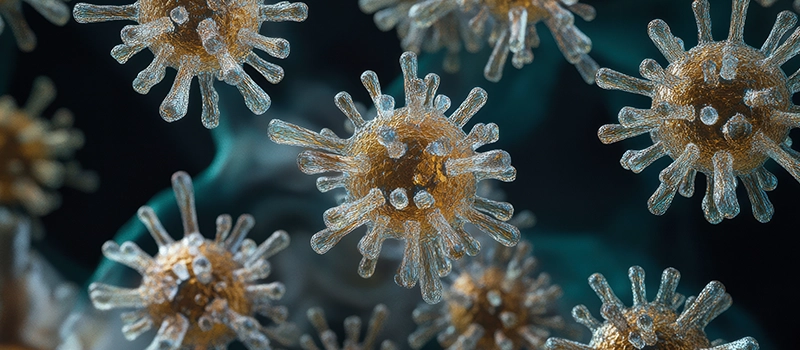
The mumps virus is a single-stranded RNA (ssRNA) virus belonging to the Paramyxoviridae family genus Rubulavirus. It is pleomorphic in shape and enveloped with a lipoprotein layer. The virus has a single serotype and 12 known genotypes ensuring that one natural infection confers lifelong immunity.
Mumps Virus Structure
Envelope: Lipid bilayer containing two major surface glycoproteins:
- HN (Hemagglutinin-Neuraminidase) protein: Aids viral attachment to host cells.
- F (Fusion) protein: Facilitates viral entry into the host cell by promoting fusion with the cell membrane.
- Genome: The mumps virus genome is a non-segmented, negative-sense RNA that encodes the structural and non-structural proteins necessary for replication and assembly.
Mumps Virus Replication
The virus initially epithelial cells of the respiratory tract. After local replication, it spreads to regional lymph nodes followed by viremia allowing dissemination to various organs. Mumps virus replication occurs in several sites notably the parotid glands, central nervous system (CNS), testes, pancreas, and thyroid.
Mumps Transmission
It primarily occurs via:
- Respiratory droplets (coughing, sneezing)
- Direct contact with infected saliva or contaminated objects (fomites)
The communicable period spans from 7 days before to 7 days after the onset of parotitis with maximum infectivity occurring 1 to 2 days before and up to 5 days after parotid gland swelling.
Children aged 5 to 15 years are most commonly affected. Infants often escape infection due to transplacental maternal antibodies. Seasonal spikes occur in winter and spring.
Mumps Pathogenesis
The virus enters through the respiratory tract, replicates locally, and travels through the bloodstream. This systemic spread targets multiple organs, leading to cellular necrosis and intense lymphocytic infiltration in affected tissues.
Common target organs:
- Salivary glands
- Central Nervous System
- Testes
- Pancreas
- Thyroid
Mumps Pathology
Two hallmark features dominate the mumps pathology across infected tissues:
- Cellular necrosis
- Intense lymphocytic infiltrate
Specific findings include:
- Testes: Focal Infarcts
- CNS: CSF pleocytosis often present even in asymptomatic cases
Mumps Clinical Features
The incubation period is typically 16 to 18 days. While many cases may be asymptomatic or mildly symptomatic, classic mumps clinical features include:
- Fever with headache, vomiting, and myalgia
- Parotitis (hallmark): Begins 2 days after fever, often unilateral initially, becoming bilateral in 70% of cases
- Painful glandular swelling: Difficulty chewing, dry mouth, ipsilateral ear pain
- Obscured jawline and elevated earlobe due to swelling
- Red and edematous Stensen’s duct opening
- Worsening of pain with sour or acidic foods
- Fever subsides in 3–5 days; swelling peaks by day 4 and resolves within 7 days
Other associated signs:
- Submandibular gland involvement
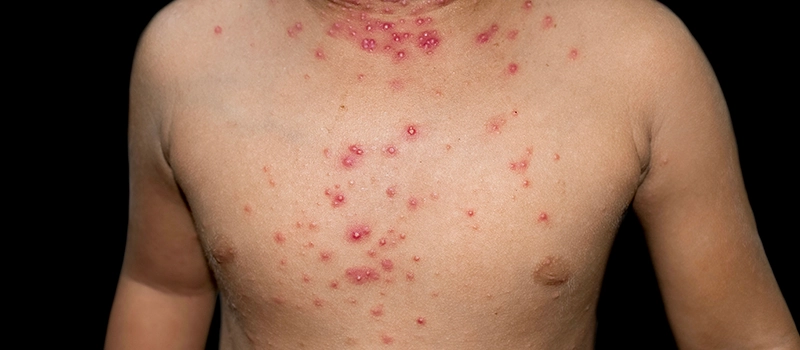
- Morbilliform rash
- Edema over the sternum from lymphatic obstruction
In unimmunized individuals, symptoms are generally milder, and parotitis may be absent.
Mumps Complications
The mumps complications range from mild to severe, affecting various organs. These are more frequent in adolescents and adults than in young children.
Neurological Complications
- Aseptic meningitis (most common in children)
- Encephalitis
- CNS involvement can occur before, during, or after parotitis
- Additional rare complications: transverse myelitis, acute disseminated encephalomyelitis (ADEM), sensorineural hearing loss, facial palsy
Notably, CSF pleocytosis occurs in 40–60% of children with mumps, though symptomatic CNS involvement is seen in 10–30%.
Orchitis and Oophoritis
- Affects 30–40% of post-pubertal males
- Occurs 3–5 days post-parotitis with painful, swollen testes
- Bilateral in 70%; may lead to testicular atrophy, though sterility is rare
- Oophoritis is uncommon but can present with lower abdominal pain in females
Other Complications
- Pancreatitis – may trigger Type 1 Diabetes Mellitus
- Myocarditis
- Arthritis – mild and self-limiting
- Recurrent thyroiditis – can progress to hypothyroidism
Investigations for Mumps
- Leukopenia with relative lymphocytosis
- Elevated serum amylase in ~90% of cases
- Serology:
- IgM ELISA (preferred test)
- Rising IgG titers in paired samples
- PCR for viral RNA: Most useful within 3 days of parotitis
- Viral culture and DIF (direct immunofluorescence): Also used in specialized labs
Treatment of Mumps
There is no antiviral treatment for mumps. Management is supportive and symptom-focused.
Key Measures:
- Adequate hydration
- Antipyretics and analgesics
- Soft, bland diet
- Warm saline mouthwashes
- Steroids may help in orchitis/arthritis but do not alter the disease course
Isolation Guidelines
- AAP Recommendation: Isolate for 5 days after parotid swelling onset
- Indian Guidelines (OP Ghai 9th edition): Isolation until parotid swelling resolves
Despite widespread immunization, the mumps virus remains a relevant public health concern due to its potential complications and ease of transmission. Early recognition of mumps’ clinical features, understanding of its pathogenesis, and appropriate isolation and management are crucial, especially in the pediatric population.
For medical professionals and students, especially those enrolled in a pediatric online course, an in-depth understanding of mumps complications, transmission patterns, and viral structure is essential to provide accurate diagnoses and appropriate patient counselling.
Frequently Asked Questions:
Q1. What is the mechanism of the mumps virus?
Ans – Mumps virus binds to sialic acid to enter the polarized epithelial cells in the upper respiratory tract from both sides. Apical entry facilitates transmission of the virus to neighbouring cells, whereas infection from the basolateral side is probably important for secondary infection via the bloodstream.
Q2. What is the clinical term for mumps?
Ans – Epidemic parotitis; Viral parotitis; Parotitis.
Q3. What is the pathology of the mumps virus?
Ans – Mumps is characterized by painful inflammatory symptoms, such as parotitis and orchitis. The virus is highly neurotropic, with laboratory evidence of central nervous system (CNS) infection in approximately half of cases.
Q4. What is the pathogenesis phase?
Ans – Pathogenesis is the process by which an infection leads to disease. Pathogenic mechanisms of viral disease include (1) implantation of virus at the portal of entry, (2) local replication, (3) spread to target organs (disease sites), and (4) spread to sites of shedding of virus into the environment.
Q5. What type of pathogen is mumps?
Ans -The mumps virus is an RNA virus of the genus Rubulavirus in the family Paramyxoviridae; Several different genotypes of the mumps virus have been recognised, although the significance of this genotypic variation with regards to vaccine response remains unclear.